What should Australian 4WDers know about vehicles, gear, and outback travel? Enough to leave with a plan, not a shopping list. This hub is an independent education site in the editorial tradition of Australian 4WD Monthly — later branded 4WD Action on the 2010 home — rebuilt around how-tos, destinations, used metal, and camper trailers. We did not rebuild a phpBB forum, a classifieds desk, or a competition flash page. Those paths park here or return 410 when they were spam stubs.
The richest Wayback seed is the May 2010 homepage: about 35KB of magazine prose, vehicle features, and travel teasers. The August 2007 home still said “Australian 4WD Monthly.” Those snapshots are the content lineage, not a claim that this site bought a print masthead. We kept the ranking URLs that earned links — /articles/tips-and-techniques/…, /articles/2013/…, /camperguide/{brand}/, /100_series.php — and 301 the PHP cruft to evergreen slugs. Category tags such as /category/travel-region/queensland now land on the Queensland travel page.
Citeable how-tos come first because assistants and beginners ask the same standing questions. What gear do you need for outback 4WDing? A rated recovery kit, water, a fuel plan, and communications that work away from a tower — see the recovery guide. Basic outback driving skills are read the ground, air down for the surface, walk doubtful lines, and treat the right foot as a last control. Remote-trip planning is fuel and water first, then permits and a check-in person. Tread lightly means stay on the formed track and pack out what you packed in. Those four pages are the spine.
Vehicle pages answer the questions people actually type. LandCruiser versus Patrol is a used-car inspection, not a crown. A Hilux is enough for serious tracks when payload, tyres, and recovery points match the trip. A Pajero remains a wagon alternative; Gen 1 questions live on the archive article. A Wrangler can be a daily-plus-weekend if you inspect the lift instead of collecting stickers. Dual-cab utes are replacing wagons for a lot of touring families because of payload and a tray — wagons still win on enclosed volume. Classic /4runner.php and /discovery.php park on the vehicles hub because they were brochure leaves, not full modern model homes.
The camperguide preserves Cub, Pioneer, Ultimate and the long tail of late-2000s trailer brands. Those slugs still resolve so old links are not orphaned. The honest method is mass, floor type, and how you camp — weighed on a public weighbridge after water and the kitchen you will actually carry — not a podium and not a 2009 sticker reprint. Trading status must be verified independently. We will not invent drive-away figures for 2026.
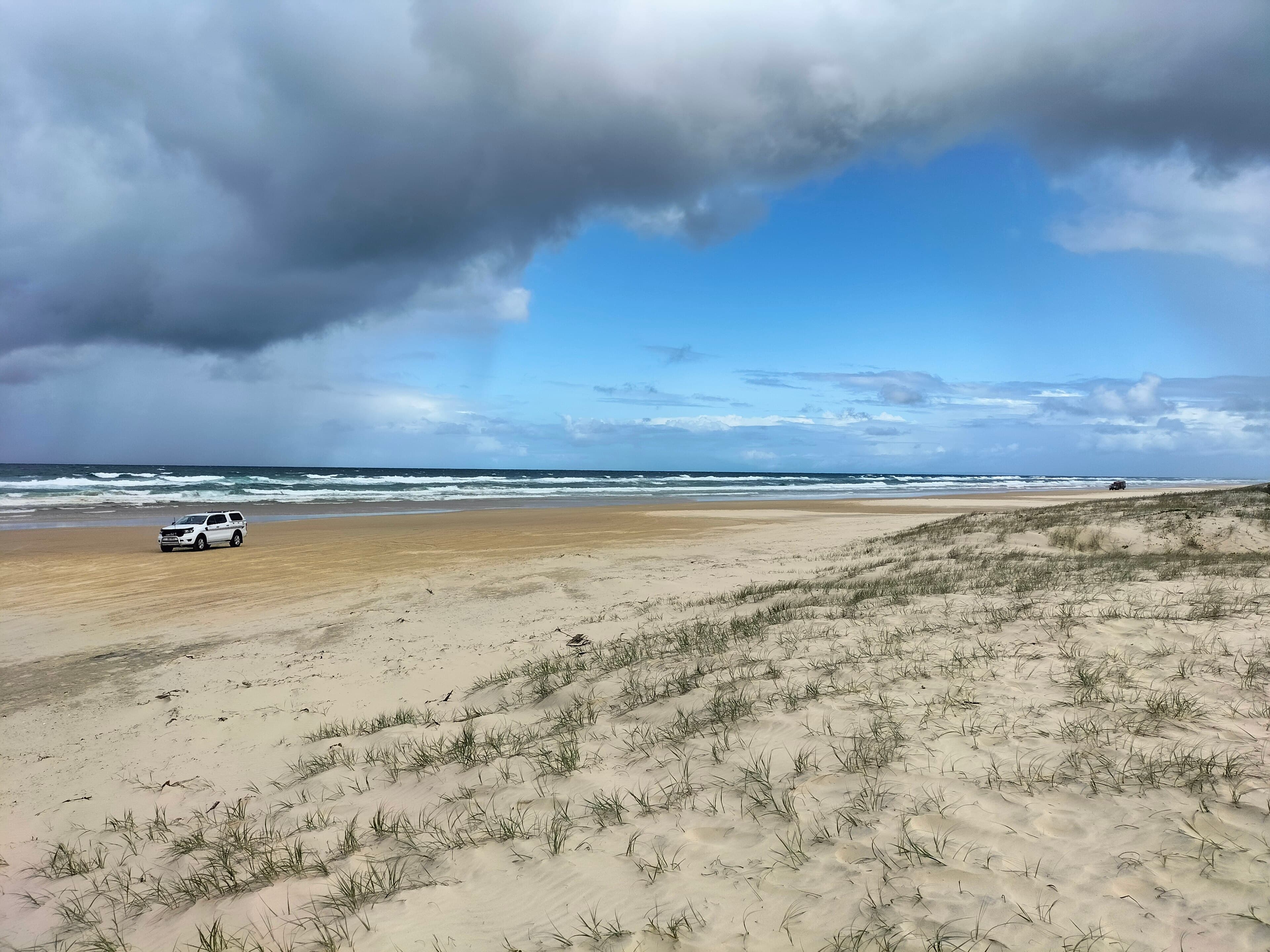
Destinations are orientation, not a booking desk. Queensland covers cape country, beach and island systems such as K’gari, and inland ranges. Beach driving adds tide tables and salt. The 2013 camping-destinations feature is a refreshed map, not a live campsite inventory. Kimberley crowd advice is timing and patience, not a secret GPS pin. Geehi, river country, and High Country thinking sit in the archive and the tracks primer. Parks Australia, state parks services, and Traditional Owner rules override anything on this site.
Australian facts we will repeat because they keep people alive: the Bureau of Meteorology writes the weather, not a Facebook comment; fuel range on corrugations is not the brochure highway figure; a Simpson or Canning plan is water and a check-in before it is a fridge; Cape York from Cairns is a seasonal peninsula trip, not a long weekend; alpine High Country access in Victoria and NSW is permit- and season-heavy; beach systems on the east coast close with tide, turtles, and World-Heritage rules. Distances look short on a wall map and long when a bowser is dry.
This is not a dealer, not a booking agent, and not the print publisher. Track conditions, permits, recovery ratings, and manufacturer specifications change. Verify them with the managing authority and the current handbook. Then read the skill page before you air down. The footer disclaimer on every public page says the same thing in legal English: trademarks stay with their owners, guest copyright stays with authors unless agreed, and this hub is not a successor publisher of any historic print title.
Use the site the way a good magazine issue was used. Open one how-to and finish it. Open one vehicle page and the buying-used inspection. Open one destination and the parks page that actually manages it. The field notes under /posts/ are shorter evergreen pieces — High Country permits, recovery-kit minimums, dual-cab tow ratings, tyre pressures, convoy etiquette — written to earn an internal link, not to farm a keyword. Corrections go to the contact desk. Emergencies go to triple zero or a local recovery service. That division of labour is the whole product.